[94], also exhibited strong 1 intracellular fluorescence in murine 4T1 cancer cells, with uptake inhibition studies suggesting the involvement of receptor-mediated uptake, thereby highlighting their potential for targeted tumour visualisation [94]
There is no published data on use in pregnant or lactating animals, on paediatric exposure, or on long-term effects in humans beyond the open-label gerontology cohorts
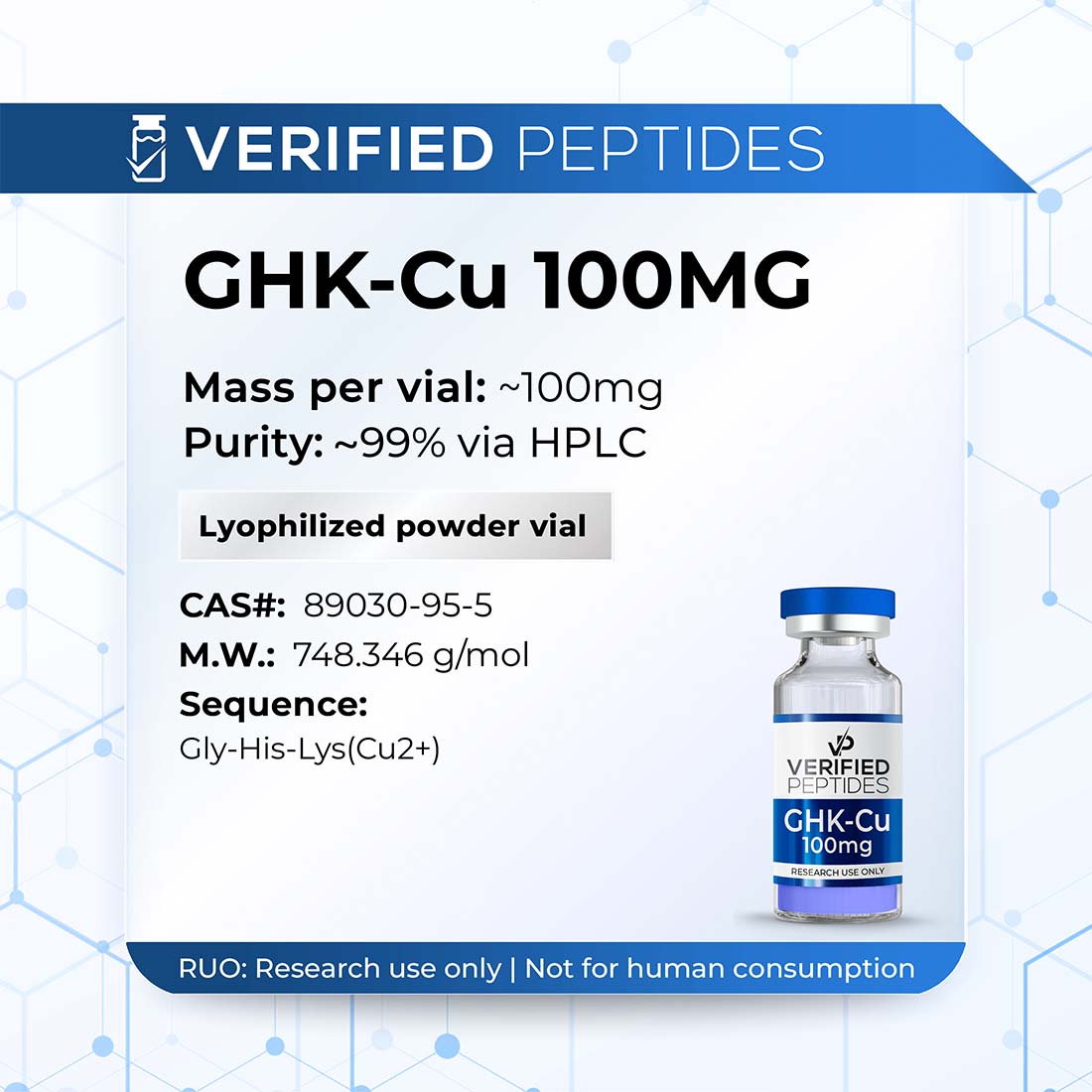
Typically, for the hair and scalp, GHK-Cu can take several months before one notices any significant difference in growth

MOTS-c is now being studied because it may influence: Cellular resilience Metabolic flexibility Fat oxidation Glucose utilization Mitochondrial adaptation Stress response pathways This is why researchers are calling MOTS-c one of the most promising peptides in: Healthy aging research Longevity medicine Metabolic anti-aging science How MOTS-c Works: The Mitochondrial Master Switch Researchers believe MOTS-c activates one of the bodys most important metabolic pathways: AMPKAMPKAMPK AMPK is often described as the bodys: Metabolic master regulator Cellular fuel sensor Longevity signaling pathway Activation of AMPK is associated with: Improved insulin sensitivity Increased fat burning Better mitochondrial efficiency Enhanced exercise adaptation Reduced metabolic stress This is why MOTS-c is often compared to some effects associated with: Exercise Fasting Caloric restriction Metabolic conditioning Researchers are even exploring whether MOTS-c acts as an exercise mimetic peptide. MOTS-c Peptide for Fat Loss & Metabolic Health One reason MOTS-c peptide has exploded in popularity online is its possible role in: Fat metabolism Weight management Insulin sensitivity Energy utilization Animal studies suggest MOTS-c may help protect against: Diet-induced obesity Metabolic syndrome Impaired glucose metabolism Potential mechanisms include: Enhanced fat oxidation Increased cellular glucose uptake Better mitochondrial energy production Improved metabolic flexibility Unlike stimulant-based fat burners, MOTS-c is being studied more as a metabolic optimization peptide rather than a rapid weight loss compound
Cytoskeletal Changes in Cultured Human Glaucoma Trabecular Meshwork Cells